

What is a longline bra and how to wear one
A longline bra is a bra whose band extends further down the torso than a standard bra, giving extra support and shaping. Instead of stopping at the underbust, the band runs several centimetres lower, sometimes as far as the waist.
- More coverage: the extended band smooths the midriff and can double as light shapewear.
- Extra hooks: most styles have multiple rows, spreading tension evenly across the ribs.
- Optional boning: firmer styles include boning for structure, while softer versions rely on stretch fabric alone.
- Posture support: a wider band distributes bust weight over a larger area, easing pressure on the shoulders.
Choose a longline when you want a smoother silhouette under fitted clothing, extra support for a fuller bust, or a piece that doubles as outerwear.
Key Takeaways
A longline bra’s support comes down to construction, particularly boning and fabric firmness, not just how far the band extends down the torso.
| Point | Details |
|---|---|
| Band length varies widely | Extensions run from a few centimetres past the underbust to the waist or hip, changing how the garment functions. |
| Support depends on construction | Boning and firm fabric provide real structure, while soft stretch lace mainly offers smoothing. |
| Two-finger rule confirms fit | Slide two fingers under the fastened band; if it’s tighter or looser, adjust hooks or size. |
| Rolling signals a fit or fabric issue | Loosen or tighten the band, or switch to a firmer style if torso proportion is the real problem. |
| Lingerie Seduction offers three fit paths | Bridal, outerwear, and statement colourway longline sets cover different use cases with free shipping over $100. |
Table of Contents
- What is a longline bra, really, and how does it differ from a bustier or corset?
- Does a longline bra actually improve support and posture?
- What styles and construction features should you look for?
- How do you actually wear and style a longline bra?
- How do you check that a longline bra actually fits?
- Why do longline bras roll up, and how do you fix it?
- Where Lingerie Seduction’s fit expertise comes in
- The gap between longline marketing and longline reality
- Ready to try a longline bra that actually fits your shape?
- Sources
- FAQ
What is a longline bra, really, and how does it differ from a bustier or corset?
The defining feature is the band. A longline bra has extra fabric extending below the bust, and that extension can run anywhere from a few centimetres past the underbust to right down at the waist or hip. The shorter the extension, the more it behaves like a regular bra with a bit of extra smoothing. The longer it runs, the closer it edges toward shaping foundation wear.
Construction sets the rest of the character. Most longlines use multiple hook rows, often three to five, and many add light boning through the front or side panels for structure. Cup styles range from moulded and underwire to soft lace, depending on whether the goal is support or aesthetics.
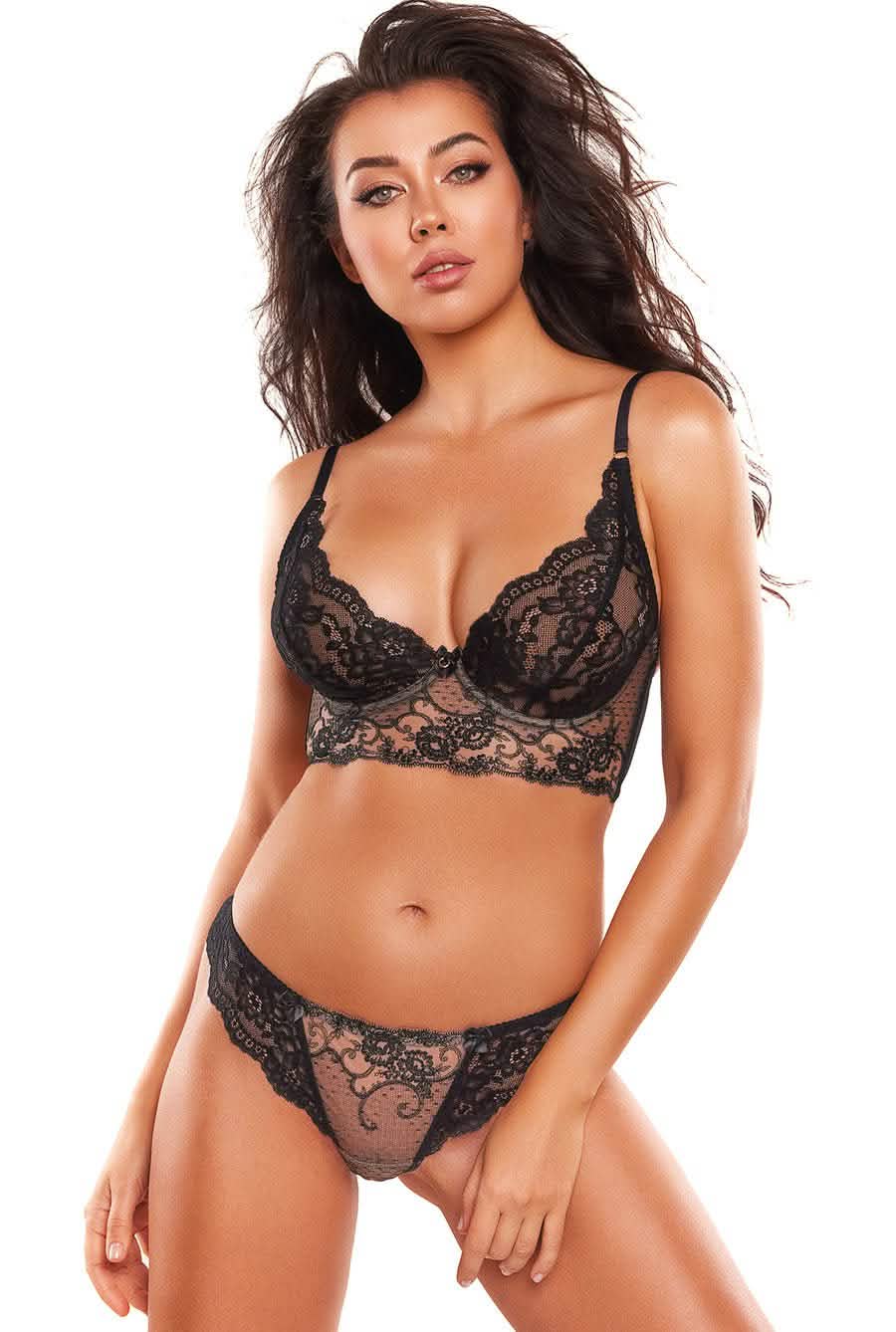
Bustiers and corsets sit further along the same spectrum. A bustier typically has firmer boning throughout and less flexibility, built to shape the torso rather than just support the bust. A corset goes further still, with rigid boning and lacing designed to reshape the waistline. A longline bra keeps one foot in “bra” territory. It supports the bust first and shapes the torso second, whereas a piece like the white lace strapless underwire bustier reverses that priority.
Does a longline bra actually improve support and posture?
A wider band changes how weight sits on your body. Bust weight that would normally concentrate on narrow straps and a short band instead spreads across a larger surface area, which is one reason longline bras can improve comfort and support posture for many wearers. Less pressure on any single point of skin usually means less shoulder strain by the end of a long day.
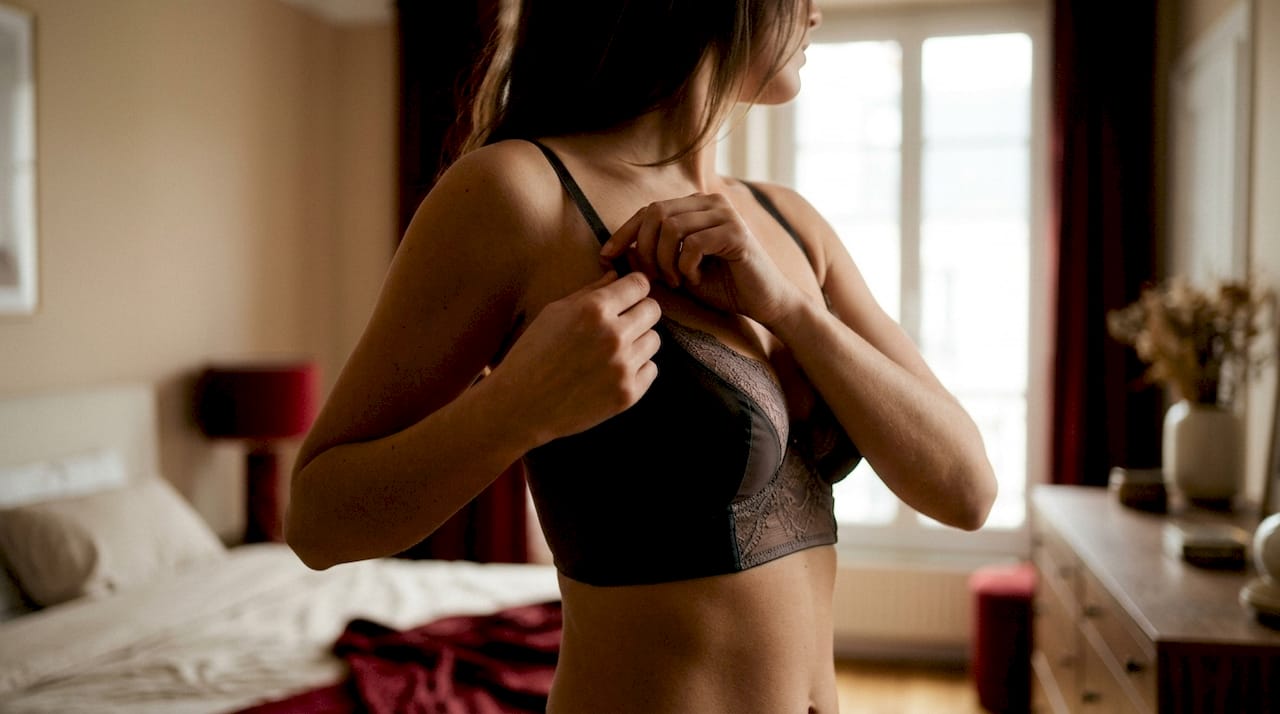
That benefit isn’t automatic. Construction decides how much support you actually get. A longline made from firm woven fabric with boning through the panel gives real structure. A longline made from soft stretch lace with no boning gives coverage and smoothing, but not much lift.
Benefits worth knowing:
- Reduced shoulder strain from wider weight distribution
- A smoother line under fitted tops, dresses, and tailored jackets
- Extra torso coverage that can replace a light shaping camisole
Trade-offs to weigh:
- Women with a short torso may find the band sits awkwardly near the waist or hip crease
- Very stretchy, unboned styles offer more shaping visual than actual lift
- The extra fabric can feel warm under layers in hot weather
Pro Tip: If lift matters more to you than smoothing, check for boning in the product description before you buy. A lace longline without structure is closer to a shapewear top than a supportive bra.
What styles and construction features should you look for?
Longlines split broadly into bridal, fashion, and everyday support categories, and the construction details tell you which camp a piece belongs to.
- Bridal longlines: usually built with underwire, boning, and satin or structured lace, designed to sit under a fitted gown without visible lines. The luxury bridal satin and lace underwire corset sits at the firmer end of this category, closer to bustier territory.
- Fashion longlines: often shorter in extension, with decorative trims and sheer lace panels meant to be seen rather than hidden. These prioritise visual impact over heavy structure.
- Everyday support longlines: built from firmer cotton blends or power mesh, with moderate boning and a focus on all-day wear rather than occasion styling.
Construction choices worth checking before you buy include hook count (more rows generally means more adjustability), whether the front has a zip or hook closure, and whether the design is strapless. A strapless, non-slip bandeau construction is worth studying if you want a longline for outfits that rule out visible straps altogether.
How do you actually wear and style a longline bra?
Getting a longline on right sets up everything else, from comfort to how it looks under clothes.
- Fasten it on the loosest hook first. This is standard advice because fastening on the loosest hook allows for fabric stretch over time, so you have somewhere to go as the elastic relaxes.
- Lean forward and scoop breast tissue into each cup, then stand upright to check placement.
- Adjust the straps so they carry a light amount of tension, not the full weight of the bust.
- Smooth the band down against your ribs and check nothing is twisting or riding up at the sides.
For styling, pairing a longline with high-waisted bottoms or wearing it under a structured jacket balances the extra coverage against the rest of the silhouette. Smooth satin or firm lace styles read well as outerwear under a blazer or as a standalone top with tailored trousers. Softer stretch lace tends to work better hidden under sheer blouses or fitted evening wear where you want smoothing without a visible garment line.
Pro Tip: Start every new longline on the loosest hook, even if it feels slightly loose on day one. Elastic settles with wear, and you will likely need that room within a few weeks.
How do you check that a longline bra actually fits?
Fit rules for a longline follow the same logic as a standard bra, with one extra variable: torso length.
- The band should sit flat against your ribs all the way around, not riding up at the back.
- Slide two fingers under the band at the front. The two-finger rule confirms a snug but not restrictive fit, and the same check applies to the extended panel on a longline.
- Cups should hold breast tissue fully, with no gaping at the top and no spillage at the sides or underarm.
- If the band sits awkwardly across your waist or hip bone rather than your ribs, the extension length doesn’t suit your torso, not the size.
A longline’s extra fabric can also change how a cup feels. Because the band anchors lower, some wearers find they need to size up or down in the cup compared to their usual bra, even when the band size is correct. If the band gaps at the front while feeling tight at the back, try the next hook row in, or size down in the band and up in the cup.
Why do longline bras roll up, and how do you fix it?
Rolling is almost always a fit or fabric issue rather than a flaw in the garment itself. Incorrect band size or a style mismatched to torso length is the most common cause of rolling, and it’s usually fixable without buying a new bra altogether.
- Band too loose: move to a tighter hook row, or size down if you’re already on the tightest row.
- Fabric too stretchy for your shape: switch to a style with boning or a firmer woven panel instead of soft stretch lace.
- Torso proportion mismatch: if the band consistently rolls despite a correct size, a shorter or longer panel style may suit your body better than the one you’re wearing.
- Straps too loose: tighten straps slightly so they share more of the load, taking pressure off the band’s grip.
Pro Tip: Hand wash longlines in cool water and air dry flat. Heat and tumble drying break down the elastic fibres that keep the band gripping, which speeds up rolling over time.
Where Lingerie Seduction’s fit expertise comes in
Lingerie Seduction curates its longline range with fit consistency in mind, across a wide range of sizes and styles for both everyday and special occasion wear.
- A bridal-leaning option built for structure under fitted gowns.
- A fashion-forward lace set designed for outerwear styling.
- A colourway-driven set for wardrobes that want longline as a statement piece, not just a foundation.
Free shipping on orders over $100 and hassle-free returns take the risk out of trying a longline for the first time, particularly if you’re unsure whether a bridal or fashion style suits your torso length.
The gap between longline marketing and longline reality
Most longline marketing leans on one idea: extra coverage equals extra support. That’s only half true. Construction, not length, decides how much lift and structure you actually get, and that distinction gets buried under photos of smooth, seamless silhouettes that don’t tell you what’s happening underneath the fabric.
The conventional advice to “just size up” when a longline feels wrong is often backwards. A longline that rolls or gapes usually needs a proportion fix, not a size fix. Torso length, not just band and cup measurement, decides whether a particular longline style will sit properly on your body. That’s a detail most sizing charts skip entirely.
If you’re buying your first longline, prioritise construction details over styling photos. Check for boning, check the hook count, and check whether the fabric is firm or stretchy before you check the lace pattern. A longline that fits your torso and has the right internal structure will outperform a beautiful one that doesn’t, every time.
Ready to try a longline bra that actually fits your shape?
Choosing between bridal structure, everyday support, and fashion-forward styling gets easier once you know what to look for in construction and fit. Lingerie Seduction’s longline sets are built around exactly those distinctions, so you’re choosing based on what suits your torso, not just what looks good in a photo.
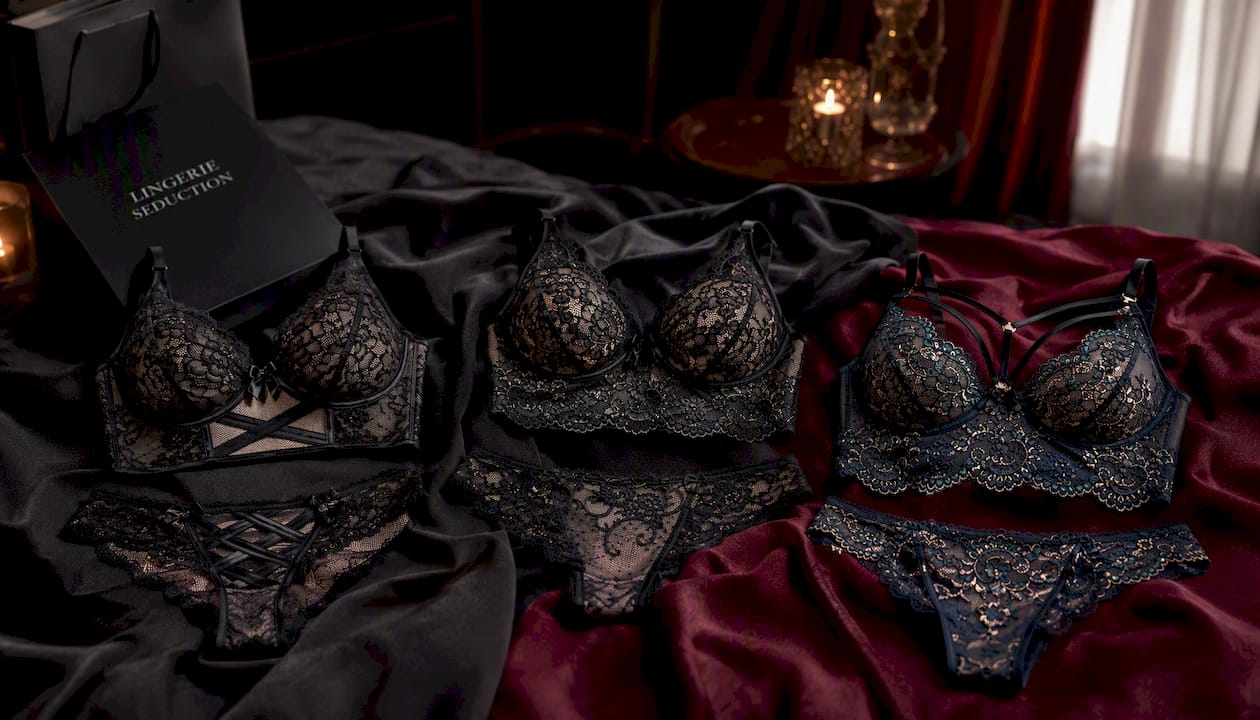
The luxury women’s black lace longline bra set suits bridal wear or occasions where you want structured support under a fitted outfit. The delicate women’s black lace longline bra set is built for outerwear styling, worn under a blazer or as a standalone top. The delicate navy, black and gold lace longline bra set brings a fashion-forward colourway for wardrobes that want a longline as a statement piece rather than a hidden foundation.
Every order over $100 ships free, and returns are hassle-free if the fit isn’t right the first time. Browse the longline range and find the style that matches your torso and your wardrobe.
Sources
FAQ
What is the point of a longline bra?
A longline bra extends support and coverage further down the torso than a standard bra, distributing bust weight over a wider band for comfort, smoothing, and sometimes posture relief.
What type of bra should a 60 year old woman wear?
There’s no single style tied to age. What matters is band and cup fit, and many women find a firmer, wider band, like a longline with boning, more comfortable as support needs change over time.
How do you wear a longline bra?
Fasten it on the loosest hook first, scoop breast tissue fully into each cup, then adjust the straps so they carry light tension rather than the full weight of the bust.
How do you keep a longline bra from rolling up?
Rolling usually means the band is too loose or the fabric is too stretchy for your torso, so try a tighter hook row, size down, or switch to a style with boning or firmer fabric.


