

Pick Comfort or a Few Hours of Dramatic Shape: Shapewear vs Corset
Shapewear smooths your everyday silhouette with stretchy compression fabric; a corset uses rigid boning and lacing for dramatic, short-duration shaping at events. Pick shapewear for daily comfort under clothes, a corset for a structured look on a big occasion. Either way, stop wearing it if you feel pins and needles, dizziness, or reflux. Corsets are available along with fit guidance if structured shaping is what you’re after.
Tags: shapewear vs corset, corset guide, shapewear guide, body shaping, lingerie sizing, occasion wear
TL;DR:
- Shapewear provides multiple levels of compression with elastic fabrics that offer temporary smoothing and comfort suitable for daily wear, unlike rigid corsets.
- Corsets rely on structured boning and lacing to create a dramatic, fixed, and firm waist cinch, but are limited to several hours of wear for safety and comfort reasons.
- Both garments pose health risks if worn excessively tight or for too long, with signals like numbness or heartburn indicating the need to loosen or stop wearing them.
- Shapewear generally costs less and is easier to care for, while corsets are more expensive, often visibly worn, and demand careful sizing and gradual tightening.
- Layering shapewear under a corset can work if both are properly fitted and worn with movement checks, but comfort and health signals should be monitored closely.
Table of Contents
- Shapewear vs corset: what’s the real difference?
- What is a corset? Boning, lacing and how it shapes
- Shapewear vs corset: a head-to-head comparison
- When should you choose shapewear?
- When should you choose a corset?
- Is shapewear or a corset safe to wear? Health rules to follow
- Can you layer shapewear and a corset together?
- Lingerie Seduction’s take on getting the fit right
- Two corsets worth considering for your next event
- Sources
- FAQ
Shapewear vs corset: what’s the real difference?
Shapewear is a stretch garment. It’s built from nylon and elastane (spandex) blends, cut into briefs, shorts, bodysuits, or waist panels, and it works by compressing soft tissue just enough to smooth lines underclothing. Shapewear uses stretchy, breathable fabrics and works through temporary compression. It flattens the look while you’re wearing it, then releases the moment it comes off. Nothing about it changes your body permanently, and that’s the point: it’s a styling tool, not a transformation.
Compression comes in three rough tiers, and matching the tier to the job matters more than most people realise:
- Light compression — barely-there smoothing for fitted knitwear or a slip dress, comfortable for a full day.
- Medium compression — noticeable tummy and hip smoothing for tailored trousers or a bodycon dress, fine for several hours.
- Firm compression — the strongest hold shapewear offers, best reserved for a few hours at an event rather than all day.
Shapewear is not the same thing as medical compression hosiery used for circulation issues; that’s a different product, sized and graded for clinical purposes, not fashion. As a fit signal: if the garment leaves deep red marks, causes tingling or numbness, or brings on heartburn, it’s too tight — go up a size rather than toughing it out.
What is a corset? Boning, lacing and how it shapes
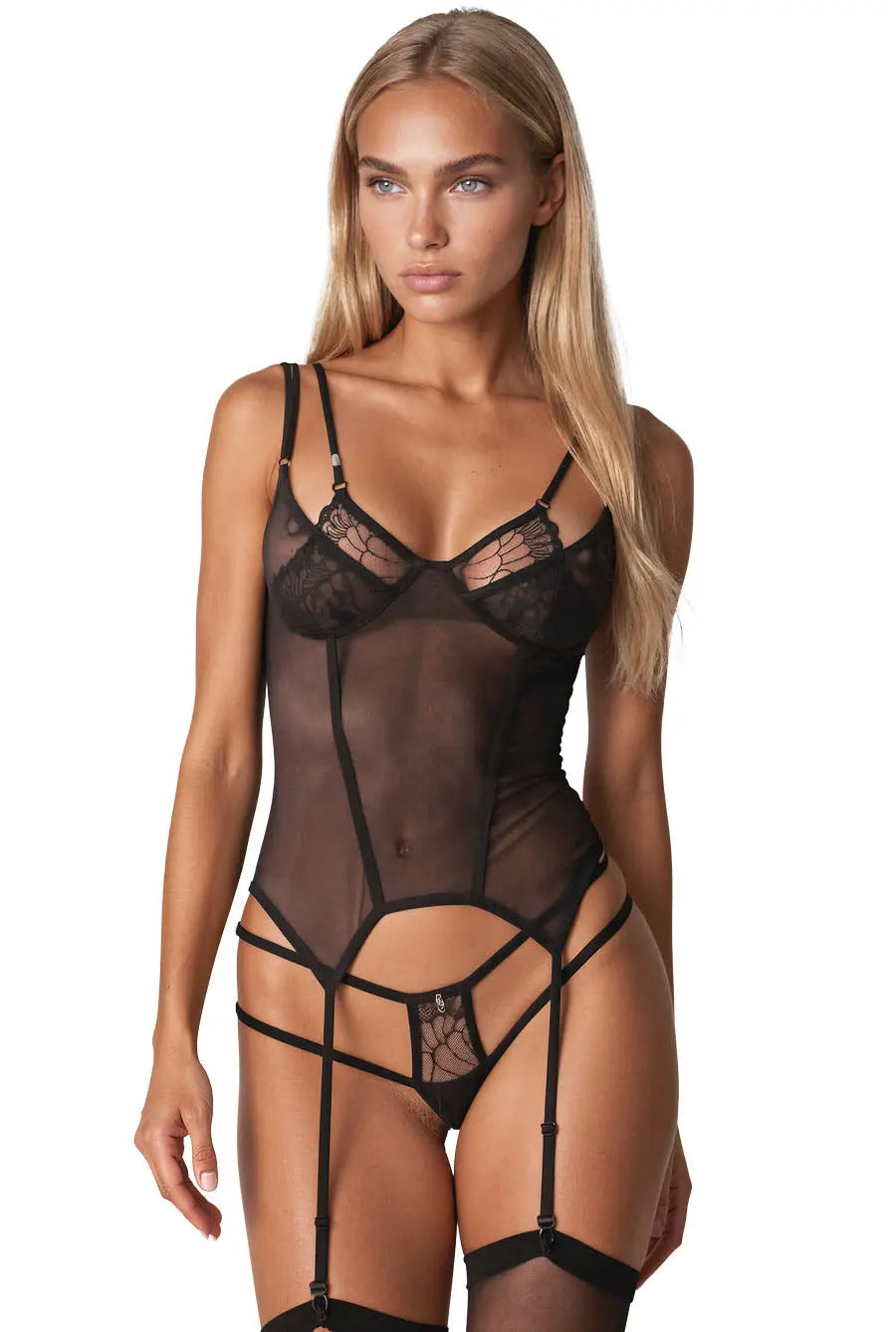
A corset is a structured garment, not a stretch one. Rigid boning, traditionally steel or plastic strips sewn into fabric channels, holds the torso in a fixed shape, while a lacing system at the back lets you tighten or loosen the fit. Corsets rely on rigid boning and lacing to reshape the torso while worn, giving a stronger waist cinch than shapewear could ever manage, but at the cost of flexibility. You can’t bend or twist in a corset the way you can in shapewear, and that trade-off is exactly why it’s the right tool for some occasions and the wrong one for others.
Styles vary by coverage:
- Underbust corsets sit below the bust and pair easily with bras or bralettes underneath.
- Overbust corsets cover the bust entirely and work as a standalone top for a dramatic look.
- Waist cinchers are a lighter, shorter version aimed at subtle waist definition rather than a full corset silhouette.
Fashion corsets, the kind most people buy for a night out or a photoshoot, are built for shorter wear and a striking look. Traditional corsets, historically worn for extended daily periods, followed very different construction and tightening routines that most modern wearers don’t replicate, and shouldn’t try to. Practical wear time is genuinely limited: a few hours is realistic, and tightening should happen gradually across a lacing session, not in one aggressive pull.
Sizing works differently too. Shapewear is bought roughly to your regular clothing size, while corset sizing is built around your natural waist measurement and the reduction you want to achieve, which is why a corset size guide is worth checking before you buy rather than after.
Shapewear vs corset: a head-to-head comparison
Laid side by side, the practical differences show up fast.
| Dimension | Shapewear | Corset |
|---|---|---|
| Construction and materials | Nylon/elastane stretch fabric | Rigid boning, structured panels, lacing |
| Compression type | Elastic, flexible smoothing | Fixed, mechanical shaping |
| Comfort and wear time | Comfortable for a full day at light to medium compression | Best limited to a few hours, especially at firm lacing |
| Visibility | Designed to be invisible under clothes | Often worn as a visible outer layer or statement piece |
| Typical occasions | Work, travel, everyday fitted outfits | Weddings, formal events, photoshoots |
| Breathing and digestion | Minimal effect at correct sizing | Can restrict deep breathing and compress the stomach if laced tight |
| Posture | Light, temporary support | Strong upright posture while worn, no lasting change once removed |
On cost, shapewear typically runs from AUD $40 to $120, while corsets range from around AUD $80 to $300 or more, reflecting the more involved construction that goes into boning, panelling, and lacing hardware. Shapewear also tends to be machine-washable on a gentle cycle, while corsets generally need hand-washing or spot-cleaning to protect the boning channels and lacing eyelets from warping.
The comfort gap is the biggest practical divide. Shapewear moves with you: you can sit, bend, eat a full meal, and drive home without a second thought. A corset restricts torso movement by design, which is exactly why it delivers a sharper silhouette but demands more planning around meals, seating, and how long you’ll actually have it on. Neither is “better” in the abstract. They’re built for different jobs, and treating them as complementary rather than competing tools is the mindset that gets the best result from both.
When should you choose shapewear?
Shapewear earns its place on days that demand comfort over drama: office wear, flights, a fitted dress you’ll be in for six hours straight. Here’s how to choose well.
- Match compression to the outfit. Light compression for soft knitwear, medium for tailored pieces, firm reserved for special occasions rather than daily rotation.
- Choose the garment type for the job. A waist panel under trousers, a full bodysuit under a slip dress, shorts under a skirt to stop chafing.
- Buy true to your usual size first, then size up if you notice rolling at the edges or restricted breathing.
- Favour breathable blends with a decent elastane percentage; all-nylon budget options tend to trap heat and roll down by midafternoon.
Pro Tip: Try shapewear seated, not just standing, before committing to a size. Most discomfort shows up the moment you sit down to eat or drive.
Stop wearing it immediately if you notice deep skin marks, numbness, or heartburn creeping in. Those are your body’s signal, not something to push through.
When should you choose a corset?
A corset is the right call when the outfit is the whole point: a wedding, a formal event, a photoshoot, or any night where you want a defined, sculpted silhouette rather than quiet smoothing.
-
Plan around shorter wear. Expect to lace up closer to the event and loosen it during downtime, not wear it from breakfast onward.
-
Test the outfit with movement before the day. Sit, reach, and check you can manage a meal in the laced corset, not just stand still in front of a mirror.
-
Size against your actual waist measurement using a proper corset size guide, and tighten gradually over a few wears rather than lacing to maximum reduction on day one.
-
Consider non-event uses too. Corsets work well for cosplay and costume, and lightly laced styles offer short bursts of postural support, though neither is a substitute for medical care.
For styling inspiration once you’ve settled on fit, a style guide for corset outfits shows how the same piece works across day, work, and night settings.
Is shapewear or a corset safe to wear? Health rules to follow
Fit, not fashion, is what determines whether a compression garment is safe. Cleveland Clinic’s guidance is blunt on this point: modern shapewear is generally safe for most people when sized correctly, but excessively tight pieces can cause skin irritation, nerve compression, and digestive symptoms. The same source notes that overly tight compression can worsen reflux and affect pelvic organ support for some wearers, which is a reasonable warning sign to take seriously rather than dismiss as vanity discomfort.
Corsets carry their own version of the same risk, magnified by the rigid boning. Over-tightening too quickly, rather than lacing progressively over weeks, is the most common mistake, and it’s the one most likely to affect breathing and digestion. Historical accounts of extreme “waist training” get plenty of attention online, but cultural commentary on corsetry urges real scepticism toward permanent-reshaping claims — there’s no version of a laced garment that reshapes your skeleton for good, and any claim suggesting otherwise deserves a raised eyebrow.
A quick safety checklist for either garment:
- You can take a full, deep breath without straining.
- No numbness, tingling, or persistent red marks after removal.
- No new heartburn or bloating that wasn’t there beforehand.
- You can sit, bend, and move without sharp discomfort.
If you’re pregnant, have a circulation condition, or manage a pre-existing digestive or cardiac issue, talk to a doctor before wearing either garment for an extended period. That’s not a throwaway caution; it’s the specific group where a badly fitted compression garment is most likely to cause a genuine problem rather than mild discomfort.
Can you layer shapewear and a corset together?
Yes, and plenty of people do it well for formal events. The order matters: shapewear goes underneath as your smoothing base layer, with the corset laced over the top to do the structural work. Keep the shapewear layer light rather than firm compression, or you’ll double up on restriction exactly where the corset is already working hardest.
- Choose a thinner shapewear fabric under a corset to avoid visible bulk at the seams.
- Do a full movement and breathing check in the mirror once both layers are on, not just the corset alone.
- If you’re wearing a corset as a visible outer piece rather than underneath a dress, balance the silhouette with a fuller skirt or wide-leg trousers underneath.
- Hand-wash or spot-clean the corset and air-dry shapewear flat to keep both garments holding their shape wear after wear.
A guide to wearing a corset properly covers the layering order and lacing steps in more detail if you’re trying this combination for the first time.
Lingerie Seduction’s take on getting the fit right
Lingerie Seduction is a premium Australian lingerie retailer, and the pattern is consistent: fit questions outnumber style questions every time a customer asks about corsets. Free shipping on orders over $100 and hassle-free returns exist because getting a corset right on the first try, without trial and error, is genuinely rare. Our corset size guide walks through waist measurement and reduction choice before you order, and our Australian corset styling guide covers lacing and wear from there.
[Author credentials to be added] [Customer testimonials to be added]
— Lingerie Seduction
Two corsets worth considering for your next event
If you’ve decided a corset suits the occasion, the next decision is which style fits the mood. There are other routes to structured shaping, made-to-measure bridal foundations among them, but a ready-to-wear corset gets you fit, lacing, and styling advice in one place without the wait or the price tag of a custom build.

The Delicate Sheer Black Lace Corset Lingerie Set suits anyone after a romantic, feminine silhouette with sheer lace panelling over structured boning, a strong pick for a wedding night or an anniversary shoot where softness matters as much as shape. The Luxe Gold Cupless Black Corset Lingerie Set is the bolder option, a cupless, statement-making design for readers who want their corset to do the visual heavy lifting rather than sit quietly under an outfit.
If bridal styling is on your mind, this guide to wedding dress silhouettes for every body type is a useful companion piece for planning what goes over or under your corset. Whichever set you choose, sizing support is available if unsure between two sizes, and free shipping applies on orders over $100. Check your measurements against the corset size guide, then browse both sets to see which silhouette matches your event.
Sources
- Shapewear vs Corset: Differences & Which Is Right for You | Mavena Co
- A doctor’s advice on wearing shapewear | Cleveland Clinic Health Essentials
- Corsets and shapewear: delightful or dangerous? | Penguin Australia
FAQ
Is shapewear the same as a corset?
No. Shapewear is a stretch garment made from nylon and elastane that smooths temporarily, while a corset uses rigid boning and lacing to reshape the torso more dramatically while worn.
Will wearing a corset flatten your stomach?
A corset visibly compresses and flattens the stomach area while it’s laced on, but the effect ends the moment you remove it. Claims of permanent waist reshaping deserve scepticism, since cultural and historical commentary on corsetry warns against extreme waist-training claims.
Does shapewear actually shape you?
Yes, in the sense that it compresses and smooths soft tissue for a smoother line under clothes, but the shaping is temporary and disappears once you take it off.
Does shapewear flatten the tummy?
Medium to firm compression shapewear noticeably flattens the tummy while worn, particularly waist panels and full bodysuits, though correct sizing matters more than compression strength for both comfort and results. Lingerie Seduction’s fit guide for different body types can help you choose the right style for your shape.


