

Reduce Bust Projection 1–2 Inches With a Minimizer Bra, Aussie Fit
A minimizer bra creates the appearance of a smaller bust by redistributing breast tissue across a wider chest area and reducing forward projection, not by shrinking it. It’s an appearance fix, not a physical one, and women reach for one mainly to smooth fitted shirts, tailored jackets, and fine knits. Lingerie Seduction breaks down exactly how the effect works below, and where to find styles built for it.
TL;DR:
- Minimize bras redistribute breast tissue laterally and downward, creating the appearance of one to two inches less projection without physically changing breast size.
- Proper fit is essential because a loose band or incorrect cup size can negate the smoothing effect and prevent the redistribution mechanism from working effectively.
- They are most effective for fuller busts seeking a streamlined look under fitted or tailored clothing and less suitable for those wanting enhanced cleavage or lift.
- Construction features like wider, shaped cups, reinforced side panels, and firmer bands are common and critical for achieving the projection reduction.
- Results vary based on breast shape, and thorough measurement and real-life testing under clothing are key to finding an effective minimizer style.
Table of Contents
- What is a minimizer bra, and why do women wear one?
- How does a minimizer bra work?
- Who should wear a minimizer bra (and who shouldn’t)?
- Minimizer vs push-up vs sports bra: what’s actually different?
- How do you choose and fit a minimizer bra?
- Styling and caring for your minimizer bra
- Lingerie Seduction’s approach to fit and support
- Our take: skip the theory, fit the garment
- Shop structured styles built for smoothing
- Sources
- FAQ
What is a minimizer bra, and why do women wear one?
A minimizer bra is built to reduce how far the bust projects forward, spreading tissue sideways and toward the back of the chest wall instead of pushing it up and out. Thirdlove’s fit guide puts the visual effect at roughly one to two inches off the bustline, though this is a styling illusion created by the cup and band, not a change to breast tissue itself.
The goal is practical: help clothes lie flat where they’d otherwise pull or gape. Common reasons women choose a minimizer include:
- Button-down shirts that gape between buttons under a fuller bust
- Tailored blazers and structured dresses that need a smoother line
- Fitted knitwear where every seam and lift shows through the fabric
- Formal outfits where a rounder, more prominent silhouette isn’t the look you’re going for
None of this changes cup volume permanently. Take the bra off and your shape is exactly what it was before you put it on.
How does a minimizer bra work?
Minimiser bras work by redistribution, not compression. A sports bra flattens tissue against the chest wall; a minimiser spreads it wider and lower, which is a different mechanism entirely and why the two feel so different to wear.
Four construction details do the actual work:
- Wider, fuller cups with shaping seams that reduce forward projection instead of lifting tissue upward
- Reinforced side panels that guide tissue toward the sides and underarm, rather than letting it sit centrally and forward
- A firmer, wider band that anchors the redistribution so it holds through a full day, not just an hour
- Broader straps that carry more of the load, which keeps the smoothing effect comfortable rather than restrictive
Felina’s construction breakdown points to these same elements: full-coverage cups, side reinforcement, and sturdier bands working together rather than any single feature doing the job alone.
Pro Tip: Try the bra on under the actual top you plan to wear it with. A one to two inch reduction in projection can be the difference between a shirt that gapes and one that sits flat, but you’ll only see that under real fabric, not in a changing room mirror alone.
Who should wear a minimizer bra (and who shouldn’t)?
Not every bust shape responds to redistribution the same way. Triumph’s fit guide notes that outcomes vary by shape, and some fuller or more forward-projecting busts see a much clearer result than others.
- Best fit: fuller busts wanting a smoother line under tailored or fitted clothing, especially for work wardrobes or formal events.
- Reconsider it if: you’re chasing cleavage or a lifted, rounded look. A minimizer is built to reduce projection, not enhance it, so it works against a push-up effect by design.
- Weigh the trade-off: some minimisers prioritise smoothing over lift, so if support and shape are equally important to you, try a few constructions before settling on one.
- Quick fit check: stand sideways in a mirror with the bra on under your usual top. If the fabric sits flatter and the outline is smoother without feeling squeezed, it’s doing its job.
Minimizer vs push-up vs sports bra: what’s actually different?
Each style solves a different problem, and confusing them is the fastest way to end up disappointed with a purchase. BestBrasGuide’s comparison lays out the core distinction clearly: minimisers redistribute for a smoother silhouette, push-up styles lift and centre for more cleavage, and sports bras compress for stability during movement.
- Minimizer bra: wider cups, reinforced sides, firmer band. Goal is projection reduction and smoothing.
- Push-up bra: padded, angled cups that lift and push tissue inward. Goal is volume and cleavage.
- Sports bra: compression fabric, often a single supportive layer. Goal is control during activity, not shaping under clothes.
- T-shirt bra: moulded, seamless cups for a smooth (but not necessarily smaller) shape under thin fabric.
The myth worth killing here: a minimizer doesn’t make your bust smaller in any lasting sense. It changes what shows under clothing, full stop. For a deeper look at how each type of bra is built, it helps to compare them side by side before you buy.
How do you choose and fit a minimizer bra?
Fit matters more with a minimizer than with almost any other bra style, because the whole effect depends on the band and cup doing their job correctly. Wacoal’s fitting advice treats measurement as the starting point, not a formality.
- Measure band and bust first. Use these numbers as your starting size, but treat them as a guide rather than a guarantee across brands.
- Check band snugness. It should sit firm and level around your ribcage without riding up at the back. A loose band undoes the whole redistribution effect.
- Check cup coverage. No spillage at the top or sides, but also no uncomfortable flattening. If you’re pinched, size up in the cup and try a band size down.
- Compare against your usual size. Minimisers often run slightly larger in the cup than your regular bra because of the extra fabric and seaming, so don’t assume your normal size is right.
- Buying online? Check the return window, read model sizing notes, and compare fit photos against your own measurements before committing.
Pro Tip: If you’re between two band sizes, go with the firmer, smaller band. A minimizer needs that structure to redistribute tissue properly, and a loose band is the single biggest reason these bras “don’t work” for some women. For step-by-step measuring help, Lingerie Seduction’s fit guide walks through band and cup sizing in more detail.
Styling and caring for your minimizer bra
Pair a minimizer with button-down shirts, tailored dresses, and slim-fit knitwear, which is exactly where the smoothing effect earns its keep. Skip it under anything where you actually want lift or cleavage on display; that’s a job for a different bra entirely.
- Hand wash or use a lingerie bag on a gentle cycle to protect the seams and side panels.
- Reshape the cups by hand after washing, while they’re damp, so they dry to their original shape.
- Never tumble dry. Heat breaks down the elastic in the band faster than almost anything else.
- Replace it once the band stops snapping back or the cups look permanently creased, both signs the structure has given up.
Lingerie Seduction’s approach to fit and support
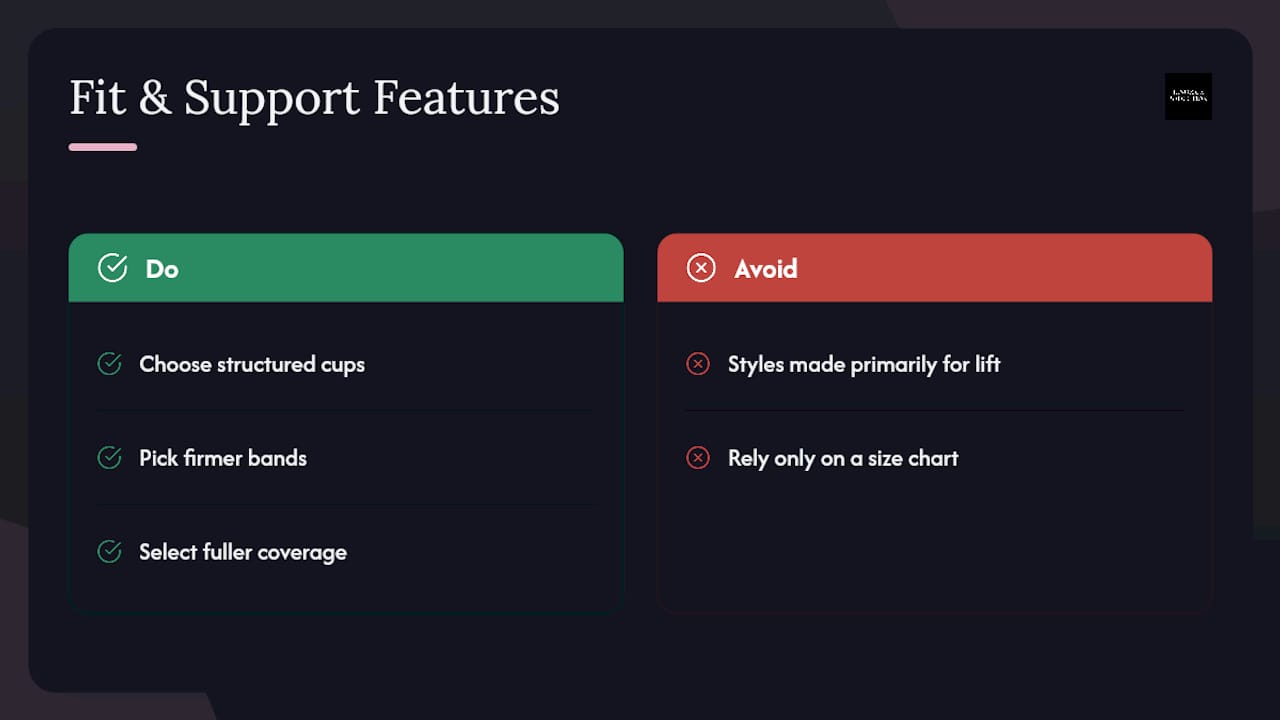
Some lingerie stores focus on comfort, body positivity, and styles tailored to real curves, not just a size chart. The catalogue leans on structured cups, firmer bands, and fuller coverage, the same construction principles that make a minimizer effect work in the first place. If you’re shopping for smoothing and structure rather than lift, those are useful features to consider on product pages before purchasing.
Our take: skip the theory, fit the garment
Most advice on minimiser bras gets bogged down explaining the concept and never gets to the part that actually matters: fit. A perfectly designed minimizer with a loose band or the wrong cup size will do nothing for your silhouette, while a well-fitted one will outperform a “better” style that doesn’t sit correctly.
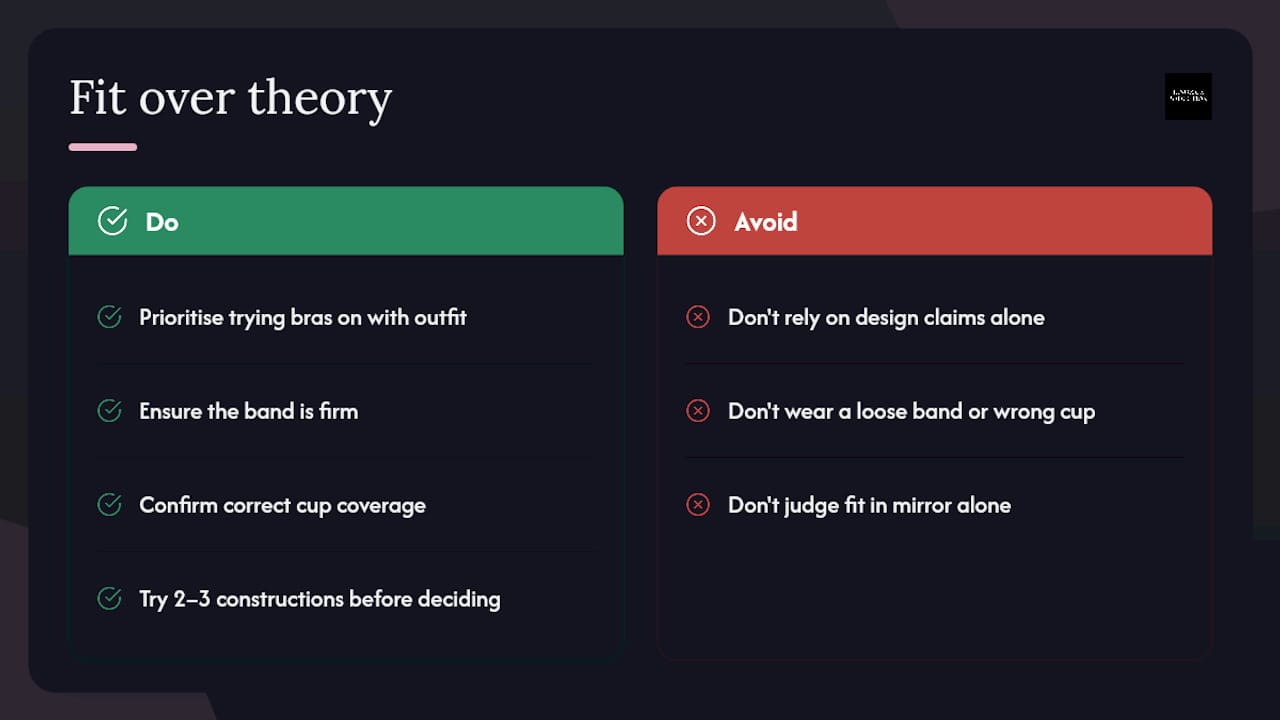
The conventional wisdom oversells the mechanism and undersells the measuring tape. Redistribution only works when the band is firm and the cup coverage is right, full stop. If you take one thing from this explainer, prioritise trying a bra on under the actual clothing you plan to wear it with, not just checking it in a mirror alone.
We’d also push back gently on treating one minimizer as the answer for every body. Breast shape changes how much projection reduction you’ll actually see, so trying two or three constructions before deciding “minimisers don’t work for me” is worth the extra ten minutes.
— Lingerie Seduction
Shop structured styles built for smoothing
Some lingerie retailers stock structured and full-coverage pieces suited to smoothing goals, designed with support and comfort in mind rather than a one-size-fits-all approach.
The Luxe Black & Nude Lace Corset Lingerie gives you boned structure for serious shaping under fitted dresses, while the Sheer Black Mesh Underwire Chemise Set offers underwire support with a lighter, sheer build for everyday wear. If you’re after something with firmer side support, the Luxury Black Sheer Lace Lingerie Set combines reinforced panels with full coverage lace. For brides wanting smoothing under a fitted gown, the Luxury Ivory Shimmer Lace & Satin Bridal Teddy is worth a look, and the Luxe Black Lace Cami Lingerie Set suits everyday structured support under tailored tops.
Before you buy, measure your band and bust and check the size guide against your usual fit. Review shipping and return policies on the retailer’s site for current details. Browse the full lingerie range to find your size.
Sources
FAQ
Who should wear a minimizer bra?
Women with fuller busts who want a smoother line under fitted or tailored clothing get the most out of a minimizer, particularly for button-down shirts and structured dresses. It’s less suited to anyone chasing more cleavage or a lifted, rounded shape.
What is the difference between a minimizer bra and a regular bra?
A regular bra, like a t-shirt or push-up style, focuses on lift, shape, or volume, while a minimizer redistributes tissue across a wider chest area to reduce forward projection. The mechanism and the goal are genuinely different, not just a marketing label.
What does a minimiser bra actually do?
It spreads breast tissue sideways and lowers how far the bust projects forward, creating a smoother, less pronounced silhouette under clothing. Some brand guides report a visual reduction of up to one to two inches, though results depend on breast shape and fit.
What is the purpose of a minimizer bra?
The purpose is to help fitted or tailored clothing sit smoother and flatter, particularly shirts and knitwear that would otherwise gape or cling. It changes appearance under clothes, not the physical size of the bust itself.


