

Chemise Meaning: Fit, Care and Free Shipping Over $100 in Australia
A chemise is a loose, sleeveless, one-piece lingerie garment that hangs straight from the shoulders and stays unfitted at the waist. It slips on over the head with no buttons, hooks, or zips, and it’s worn primarily as sleepwear or as an intimate layer against the skin. If you have seen the word on a product tag and wondered whether it meant something structured or something simple, the answer is simple: no shaping, no fuss.
TL;DR:
- Most chemises are made from breathable fabrics like microknit or cotton, making them easier to care for and more durable for regular washing.
- The underlying silhouette of a chemise features a straight drop from the shoulders with no waist shaping or built-in cups, distinguishing it from babydolls and slips.
- Chemises can vary from loose, unstructured styles to those with underwire or mesh detailing, accommodating different support and aesthetic preferences.
- The length of a chemise typically falls between mid-thigh and knee, with some styles shorter or longer depending on the intended use or fashion trend.
- Proper fit requires checking fabric content and strap adjustability, especially when purchasing online, to prevent returns and ensure comfort.
Table of Contents
- What is a chemise? Key features and construction
- Chemise vs babydoll vs slip: what actually sets them apart
- History and etymology: how “chemise” got its name
- Fabrics, trims and styles: reading a product description properly
- How to wear and care for your chemise
- Shopping checklist: fit, length and fabric before you buy
- Why Lingerie Seduction stocks both structured and simple chemises
- Ready to find your chemise? Here’s where to start
- Sources
- FAQ
What is a chemise? Key features and construction
The word covers a lot of product listings, so it helps to know exactly what separates a chemise from everything else hanging near it on the rack. A chemise is defined by its silhouette first, its fabric second, and its construction method third, and once you know what to look for, you will spot one in a product photo within seconds.
The Wikipedia entry on the chemise describes it as a loose-fitting, sleeveless, one-piece undergarment that typically hangs straight from the shoulders and stays unfitted at the waist. Cambridge Dictionary backs this with a plainer definition: a woman’s one-piece undergarment or a loose, straight-hanging dress. Neither source mentions darts, boning, or waist seams, because a true chemise has none.
Here’s what defines the style in practice:
- Silhouette: straight drop from the shoulder to the hem, with no waist definition built into the seams.
- Straps: usually thin and adjustable, sometimes wider bands on fuller-coverage styles, occasionally a scoop or V neckline instead of straps at all.
- Length: most sit somewhere between mid-thigh and knee, though some brands cut them shorter for a going-out feel or longer for a nightgown-style piece.
- Entry: pulled on over the head or stepped into. There’s no zip, hook, or button to fuss with, which is part of the appeal for sleepwear.
- Fit: loose through the body by design. A chemise isn’t meant to hug curves the way a bodysuit or teddy does.
The Merriam-Webster entry confirms this loose, garment-like structure has held steady across centuries of use, even as the fabrics and trims around it have changed completely.
In terms of everyday use, a chemise works as sleepwear on its own, as an intimate layer under a robe, or as light loungewear on a lazy Sunday. That versatility is exactly why the style has stayed in circulation for so long. A Wikipedia note on modern usage points out that many chemises now serve double duty as sleepwear, lingerie, and casual home wear, depending on the fabric and how it’s styled.
Chemise vs babydoll vs slip: what actually sets them apart
Shoppers mix these three up constantly, and it’s easy to see why. All three are loose, feminine, one-piece pieces sold in the same aisle of a lingerie site. The differences come down to waist shaping, cup structure, and how the fabric falls below the hip.
- Chemise. Straight hang from shoulder to hem, no waist seam, usually no built-in cups. It’s the simplest of the three in construction, which is exactly why it reads as understated rather than dressed-up.
- Babydoll. According to the Wikipedia entry on babydolls, this style has a higher waist, formed cups, and a skirt that flares looser at the hips than a chemise ever does. Babydolls are also frequently sold as sets with matching panties, which is a strong shopping cue on its own. Our guide on chemise versus babydoll breaks down exactly which shape suits which body and occasion.
- Slip. Closer fitting through the torso and often cut on the bias so it clings rather than floats. Slips are usually styled as an under-layer for outerwear rather than a standalone piece, which is the opposite job to a chemise.
Product photos give the game away quickly once you know what to check. Look for the waistline first: flat and continuous means chemise, gathered or seamed higher up means babydoll. Then check the cup area. Soft fabric with no shaping is a chemise; a built-in shelf or underwire is either a babydoll or a structured chemise variant, like a chemise set with underwire cups. Nightgowns, for comparison, are usually longer and cut from heavier fabric meant purely for sleep rather than for a lingerie moment.
History and etymology: how “chemise” got its name
The word itself has travelled a long way to land on a lingerie tag. It comes from Old French cheminse, which in turn traces back to the Late Latin camīsia, with some etymologists pointing to a possible Celtic root further back still. That’s a lot of linguistic ground covered for a garment that, at its core, has never really changed shape.
- The chemise developed from the Roman tunica, a simple shirt-like undergarment worn next to the skin.
- Through the Middle Ages and into early modern Europe, it functioned purely as a protective layer, keeping sweat and body oils off more expensive outer clothing that couldn’t be washed as often.
- Early construction leaned on minimal-cut rectangles and triangles, a pattern-cutting method noted in historical costume records like Women’s Work, which minimised fabric waste and happens to explain the straight, unshaped hang that still defines the style today.
- By the 19th century, English speakers increasingly preferred the French-derived “chemise” over the plainer English word “shift,” which by then had picked up cruder, less refined connotations.
That linguistic shift wasn’t cosmetic. Choosing “chemise” over “shift” signalled a more genteel image for what was, functionally, the same garment. Modern lingerie has run with that reinterpretation, turning a purely practical undergarment into something styled, photographed, and sold as a piece worth wanting rather than merely wearing. It’s a neat example of how a word’s social weight can outlast the object it describes almost unchanged.
Fabrics, trims and styles: reading a product description properly
The silhouette tells you it’s a chemise. The fabric tells you how it will feel against your skin at 11pm on a Tuesday, and that’s the detail most shoppers skip past too quickly.
- Silk: the most fluid drape of the group, breathable, and cool against skin, but it demands the most careful handling.
- Satin: similar shine and slip to silk at a friendlier price point, with slightly less breathability.
- Microknit: a stretch fabric that moves with the body, generally the most forgiving option for everyday sleepwear.
- Lace: almost always used as a panel or trim rather than the whole garment, since full-lace chemises can be sheer to the point of see-through.
- Mesh: sheer, lightweight, and typically paired with a lined section for coverage where it matters.
- Cotton: the most breathable and easy-care option, best suited to warm-climate sleeping rather than a special-occasion look.
Trims are where a chemise moves from purely functional to genuinely styled. Lace panels along the bust or hem, scalloped edges, adjustable straps, and the occasional underwire or soft cup insert all change how a chemise reads, without ever touching the core silhouette. A Wikipedia note on shopping cues points out that chemise listings often skip fastener details entirely and lead with fabric content and length instead. That absence is itself a signal: no mention of hooks or zips almost always means you are looking at a chemise.
Pro Tip: If you’re buying for sleep, prioritise microknit or cotton over silk. They handle regular washing better and won’t snag on sheets the way delicate silk trims can over time.
Care depends entirely on what you picked. Delicate fabrics such as silk and lace generally do best on a hand wash or a machine’s delicate cycle, followed by air drying rather than a tumble dryer, which protects both the trims and the fabric’s stretch recovery.
How to wear and care for your chemise
A chemise earns its keep by doing more than one job, and how you style it changes the whole feel of the piece.
- Sleep-only styling. Worn alone, nothing else required. This is the chemise in its simplest, most comfortable form.
- Loungewear layering. Add a robe or a light cardigan over the top for coffee-in-bed mornings, or pair it with a matching wrap for a slightly more put-together look at home.
- Modesty layering. If the fabric runs sheer, a matching slip or fitted singlet underneath keeps the look intimate rather than exposed, without losing the drape that makes the style work.
- Accessory pairing. A thin robe, simple sandals, or nothing at all. Chemises are deliberately understated, so heavy accessories tend to fight the silhouette rather than complement it.
Care instructions split cleanly by fabric. Silk and lace chemises should go in a hand wash or the gentlest machine cycle available, cold water only, then hang or lay flat to dry away from direct sun. Microknit and cotton pieces are generally more forgiving and can handle a regular delicate machine cycle. Whatever the fabric, spot-treat marks immediately rather than waiting for a full wash cycle, since letting stains set is the fastest way to shorten a chemise’s life. Store folded rather than hung on a hanger if the straps are thin, since hanging puts ongoing strain on delicate elastic over months of use.
Shopping checklist: fit, length and fabric before you buy
Product pages carry more information than most shoppers actually read, and a few extra seconds checking the right details saves a returns headache later.
- Check the length in centimetres against the model’s height, listed in most product descriptions, rather than relying on the photo alone to judge proportion.
- Read the fabric content line closely. “Microknit” and “satin” wear completely differently, even when the photos look similar.
- Look for strap adjustability. Fixed straps are harder to fit across different bust sizes than an adjustable version.
- Note whether the piece includes underwire or soft cups, since that detail changes both the fit and the level of support significantly.
- Confirm the returns policy and shipping terms before buying, particularly if you’re ordering a size you haven’t tried before.
Two current in-stock pieces show how differently “chemise” can be interpreted within the same category. The Black Sheer Mesh Underwire Chemise Set uses a built-in underwire cup under a sheer mesh body, giving structure to a style that’s normally soft and unshaped. The White Lace & Microknit Babydoll Sleepwear sits on the babydoll side of the comparison, with its higher waist and flared skirt, useful to have side by side if you’re still deciding which silhouette suits you. For a broader side-by-side, the babydoll and chemise buying guide walks through fit and fabric choices in more depth.
Why Lingerie Seduction stocks both structured and simple chemises
Lingerie Seduction’s range sits across both ends of the chemise spectrum on purpose. Some shoppers want the loosest, softest, most unstructured version of the style for sleep. Others want a chemise with underwire and mesh detailing that reads more like a going-out piece than pyjamas. Stocking both respects that a garment’s name doesn’t limit its function.
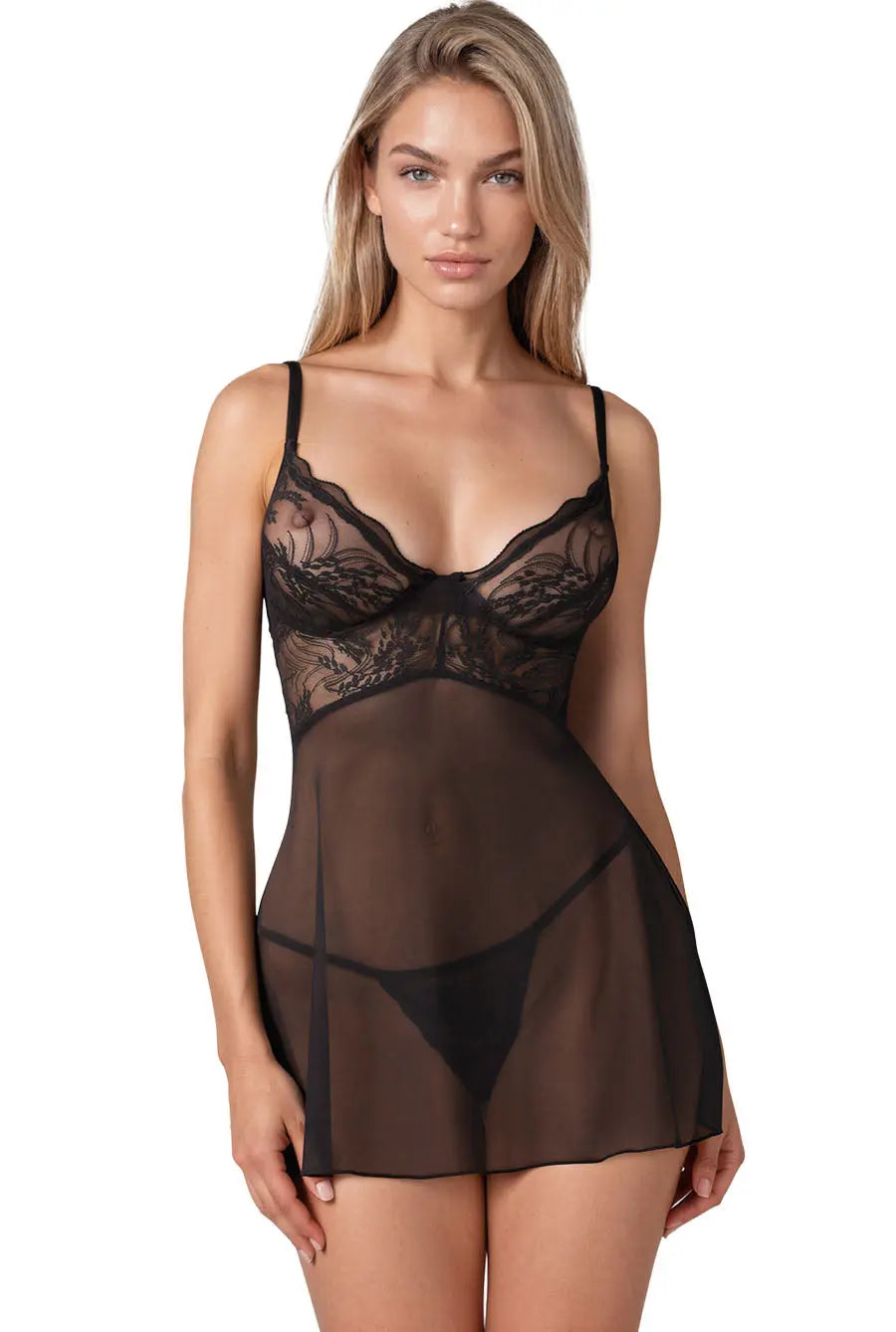
The brand’s stated focus is on quality fabric and a flattering fit for the modern Australian woman, and that shows up directly in pieces like the Black Sheer Mesh Underwire Chemise Set, where the underwire is fitted specifically to sit comfortably under sheer mesh rather than fighting against it. The Babydolls & Chemises collection groups these variations together deliberately, so shoppers comparing silhouettes don’t have to hunt across separate category pages to do it.
Practical reassurance matters as much as the product itself when you’re buying lingerie online without trying it on first. Free shipping applies on orders over a certain amount, and returns are handled without unnecessary hoops if a size or style doesn’t work out once it arrives.
— Lingerie Seduction
Ready to find your chemise? Here’s where to start
There’s a real gap between reading about chemise silhouettes and actually finding one that fits your body and your budget. Lingerie Seduction closes that gap by stocking the exact styles this guide describes, ready to browse right now rather than left to imagination.
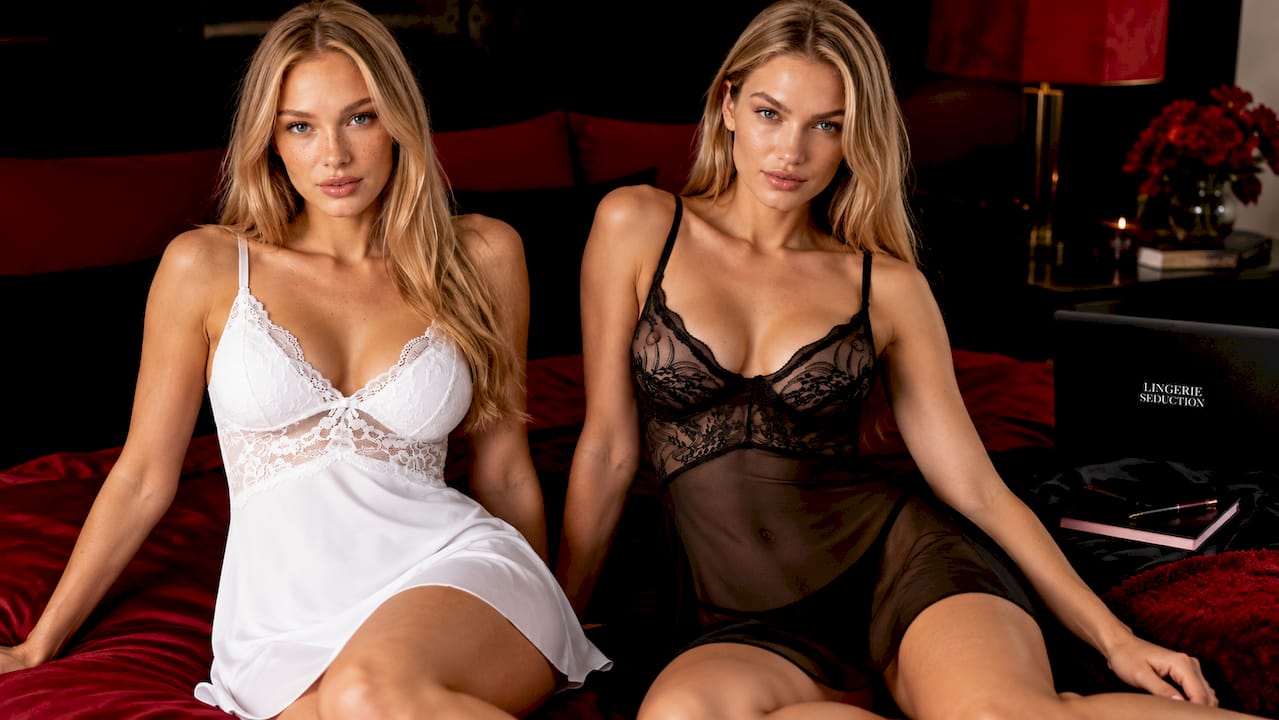
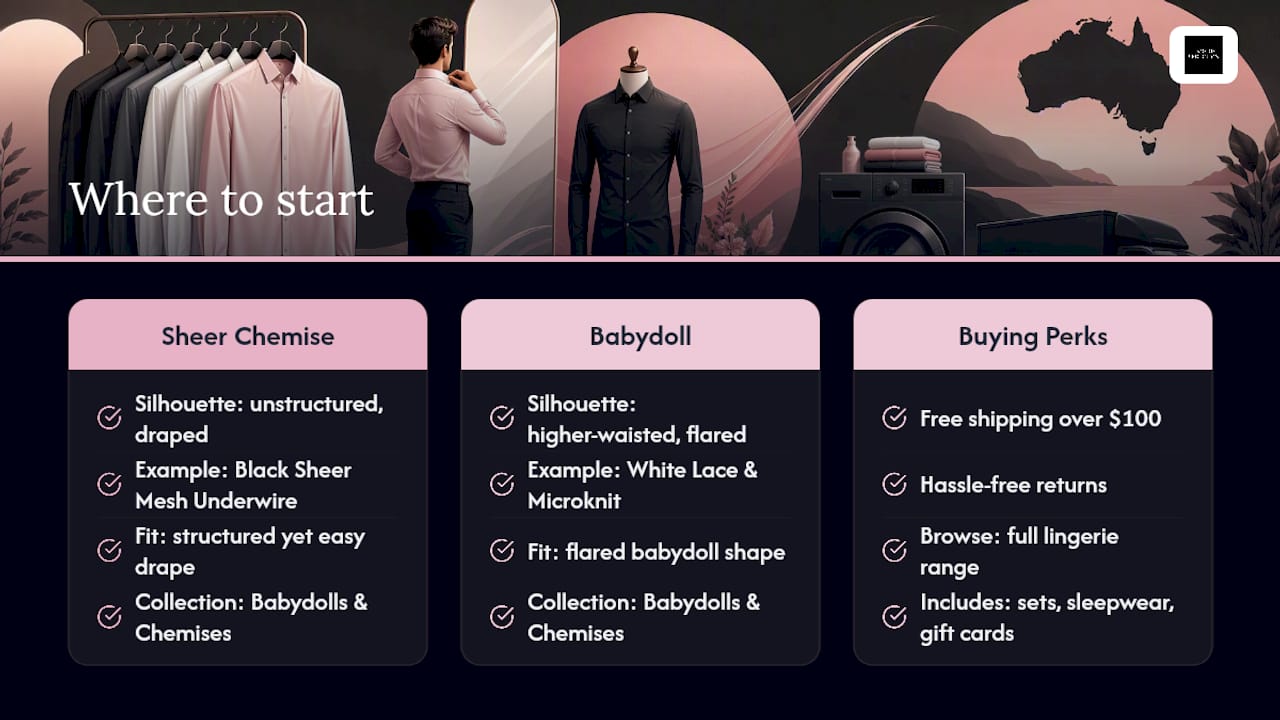
If the unstructured, straight-hanging silhouette appealed to you, the Black Sheer Mesh Underwire Chemise Set shows how a modern chemise can still carry structure without losing that easy drape. Prefer the higher-waisted, flared shape covered in the comparison section above? The White Lace & Microknit Babydoll Sleepwear is the babydoll equivalent worth trying side by side. Both sit within the Babydolls & Chemises collection, where sizing details and fabric content are listed on every product page.
Every order over $100 ships free, and returns are hassle-free if the fit isn’t right the first time. Browse the full lingerie range for sets, sleepwear, and gift cards, or head straight to the collection page to check sizing against your own measurements before you buy.
Sources
For readers who want to verify the definitions and history covered here, these are the core references: the Wikipedia entry on chemise for the modern definition and historical development, Cambridge Dictionary and Merriam-Webster for dictionary-grade definitions and etymology, and the Wikipedia entry on babydolls for the comparison points used throughout this guide.
- Chemise — Wikipedia
- chemise | Definition of chemise in English — Cambridge Dictionary
- Chemise — Merriam-Webster
FAQ
Can a chemise be worn as sleepwear?
Yes, sleepwear is one of the most common uses for a chemise, thanks to its loose fit and lack of restrictive seams or fasteners. Many shoppers buy chemises specifically for this purpose, choosing breathable fabrics like microknit or cotton over silk for regular wash-and-wear comfort.
What is the purpose of a chemise?
Originally, a chemise protected outer clothing from sweat and body oils as a base layer worn next to the skin. Today its purpose has broadened to include sleepwear, intimate apparel, and light loungewear, depending on the fabric and styling chosen.
Who typically wore chemises?
Historically, chemises were worn by both men and women across Europe from the Middle Ages onward, evolving from the Roman tunica as a universal undergarment. In modern lingerie, the term now refers specifically to a women’s garment sold as sleepwear or intimate apparel.
What does a chemise look like?
A chemise hangs in a straight line from the shoulders to somewhere between mid-thigh and knee, with no waist seam or shaping built in. It’s typically sleeveless with thin adjustable straps, made from fabrics like satin, silk, lace, or microknit, and slips on over the head with no buttons or zips.
Is a chemise the same as a nightgown?
Not quite. A chemise is generally shorter and made from lighter, more delicate fabric styled for both sleep and intimate wear, while a nightgown tends to run longer and heavier, cut purely for comfort at night rather than for a lingerie look.


